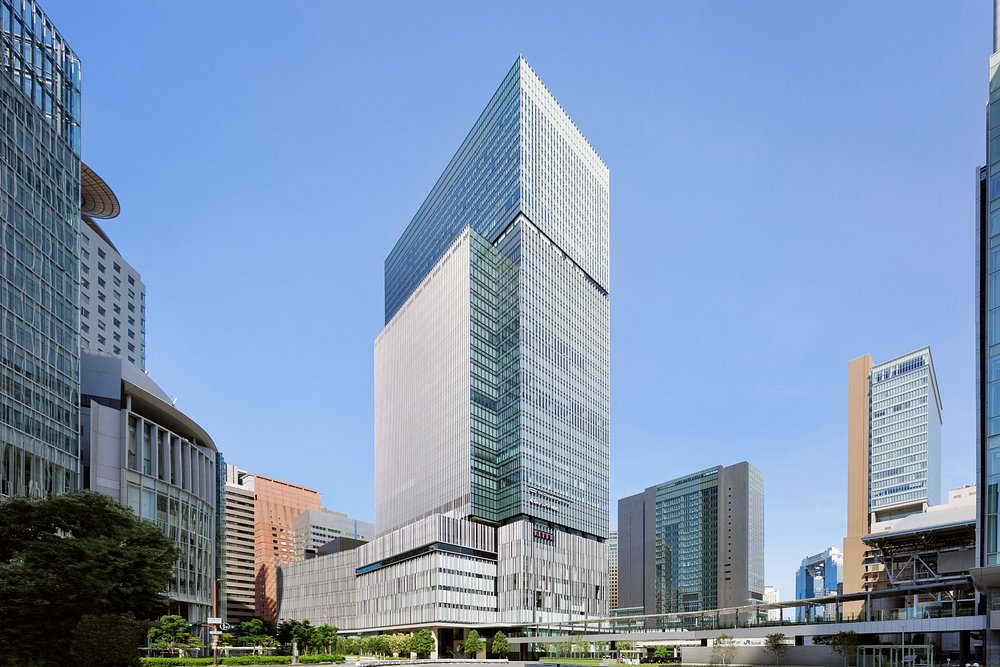
This 5-star hotel in central Osaka offers luxurious rooms, diverse dining options, and top-notch amenities, all within walking distance of Osaka Station and Grand Front Osaka shopping complex.
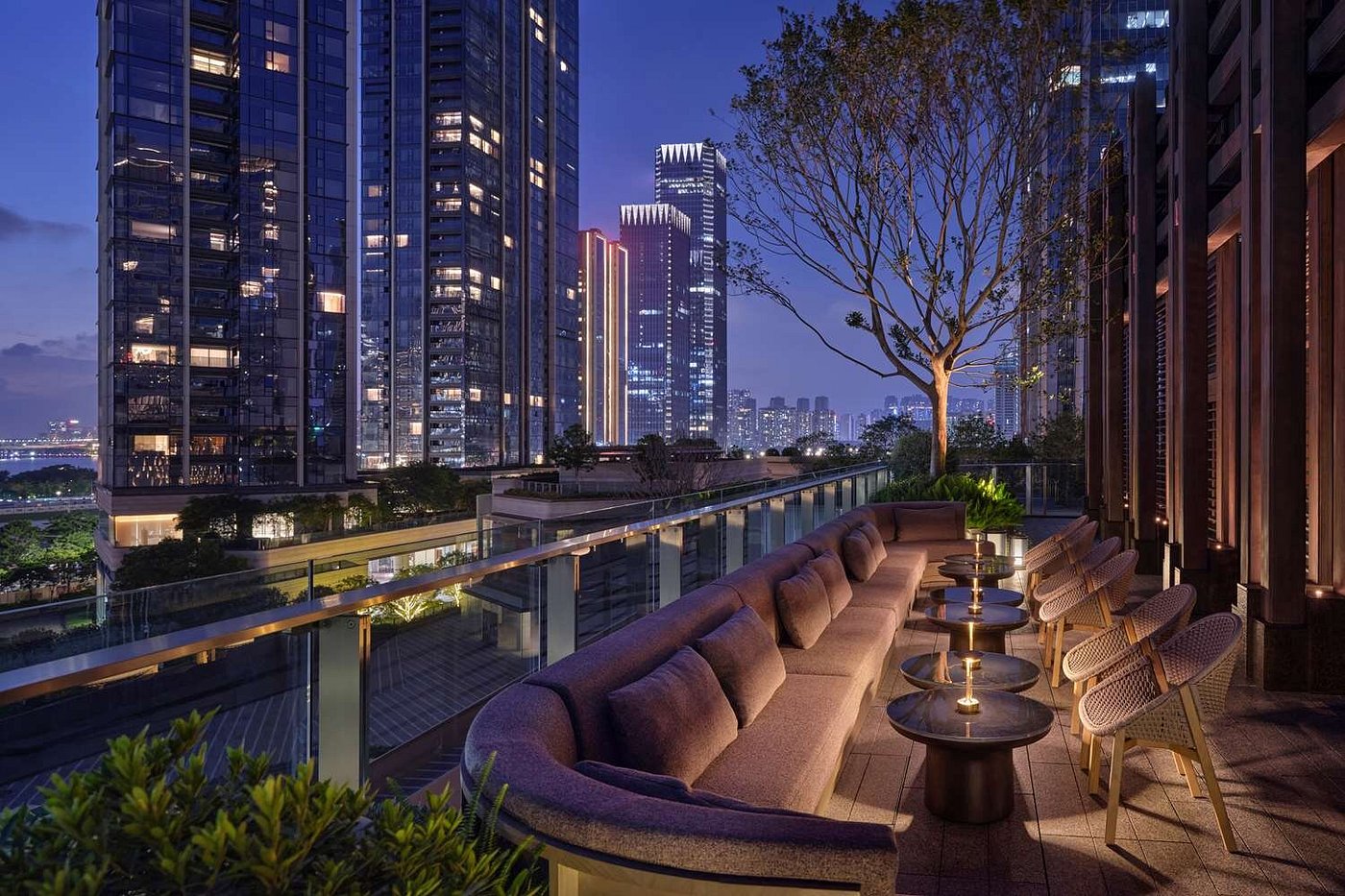
Conrad Shenzhen, a 5-star art museum hotel, offers stunning bay and sunset views from its terrace, blending luxury with culture in the heart of Shenzhen's Greater Bay Area.
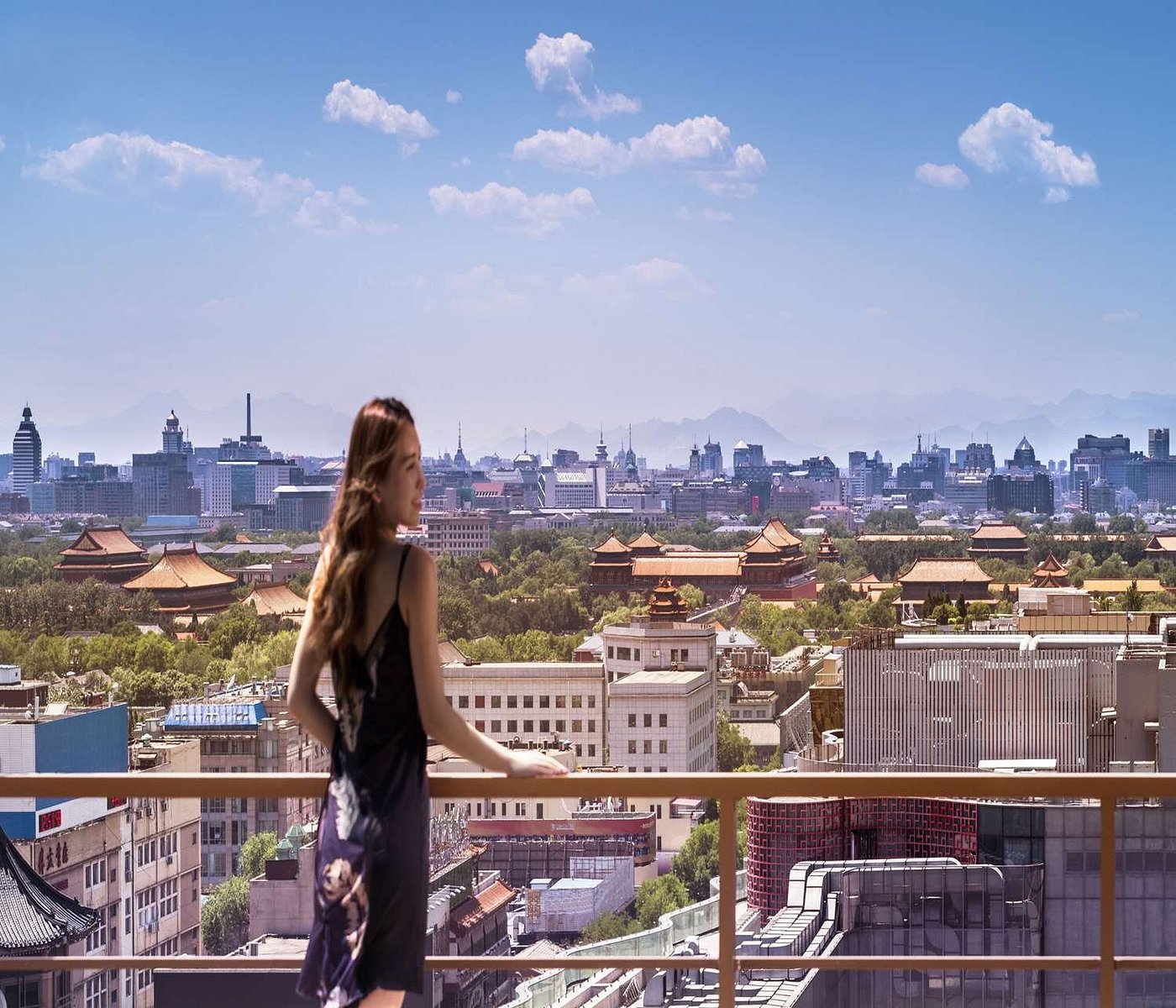
Nestled in Beijing's prestigious Jinyu Hutong, the 5-star Waldorf Astoria blends Chinese tradition with modern luxury, offering sumptuous rooms, gourmet dining, and a serene spa just steps from Wangfujing's vibrant shops and attractions.
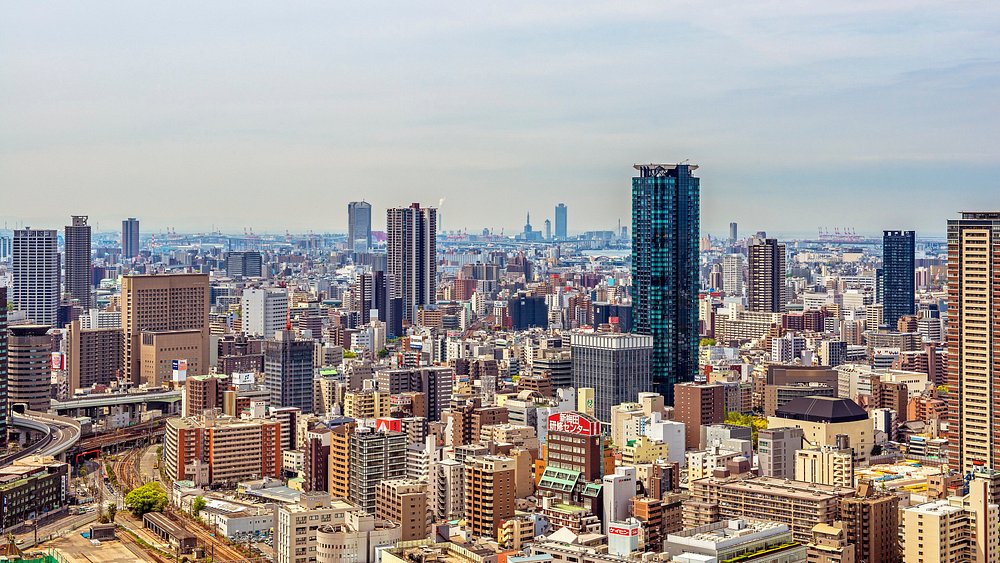
Luxurious 5-star hotel in central Osaka, steps from JR Station, offering city views, fine dining, an indoor pool, and spa services, with easy access to major attractions and transport hubs.
What countries are considered part of the Far East?
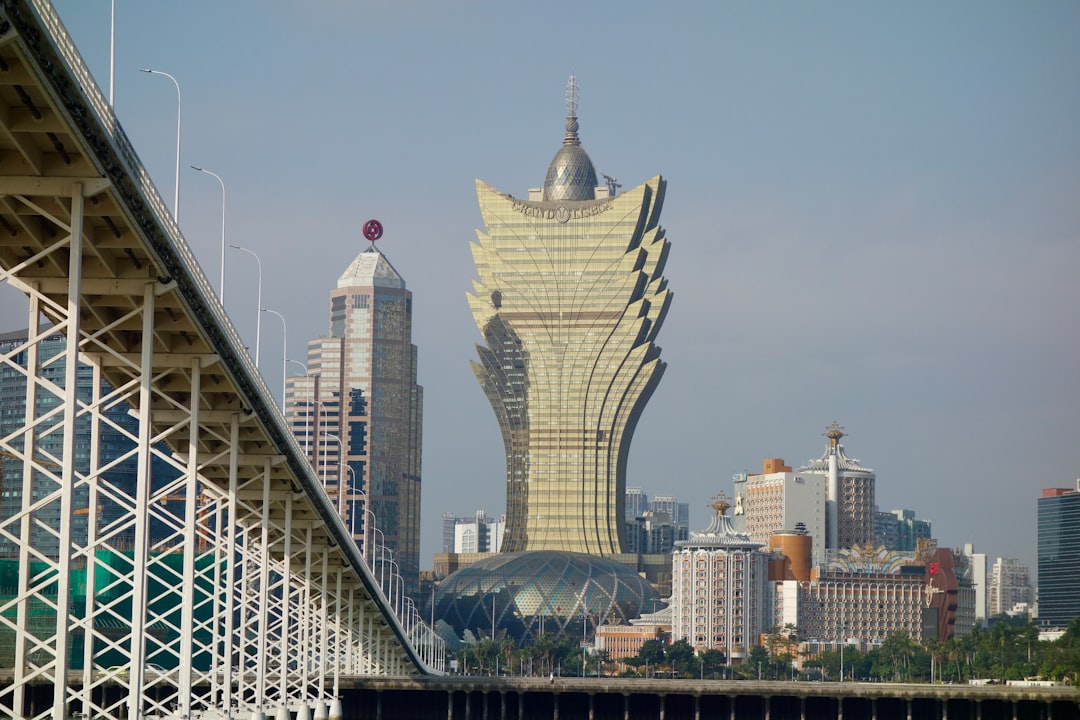
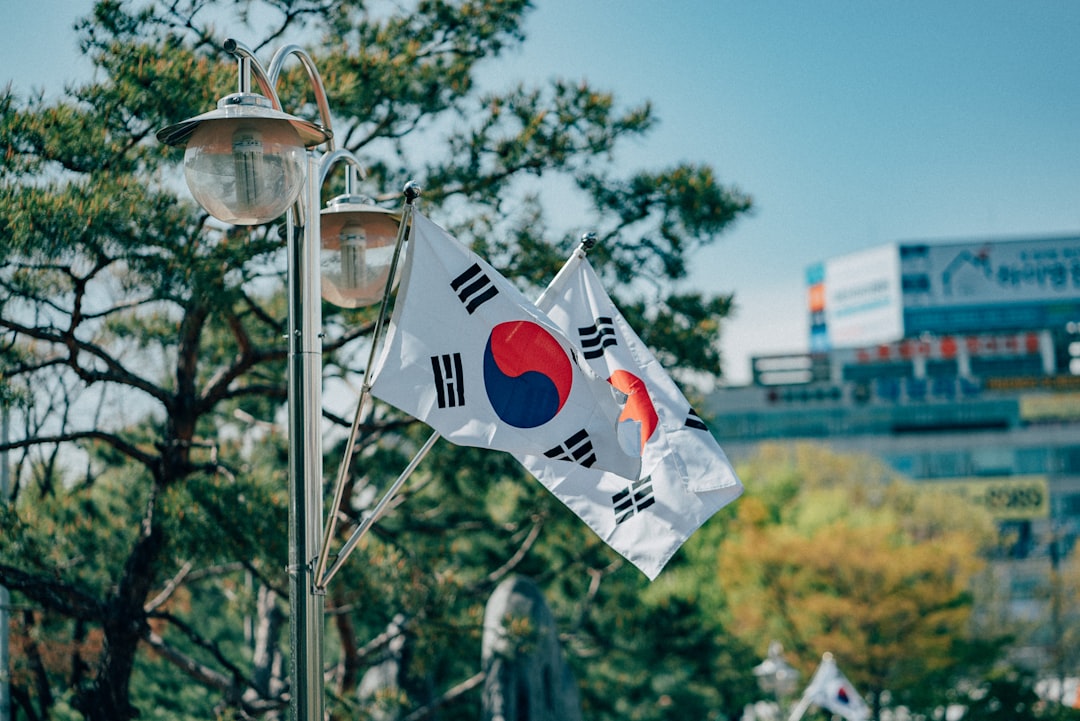
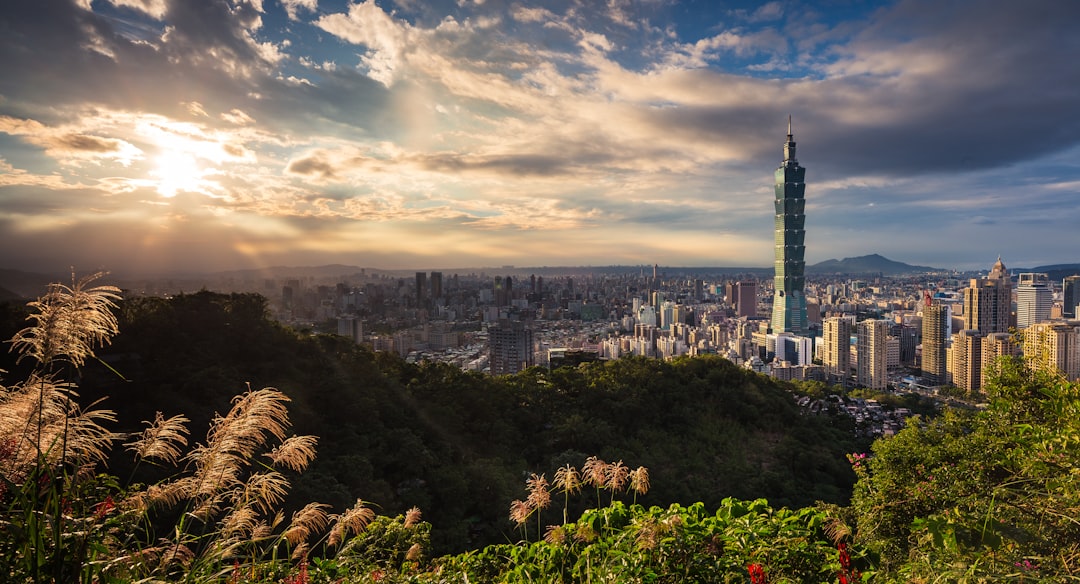
The Far East typically includes countries like China, Japan, South Korea, North Korea, Taiwan, Hong Kong, and Macau. Some definitions also include Southeast Asian countries like Vietnam, Thailand, and the Philippines.
What is the best time of year to visit the Far East?
The best time to visit the Far East varies by country, but generally, spring (March to May) and autumn (September to November) offer pleasant weather and fewer crowds. Avoid summer in many areas due to heat and humidity, and be aware of rainy seasons in tropical regions.
What are some must-see landmarks in the Far East?
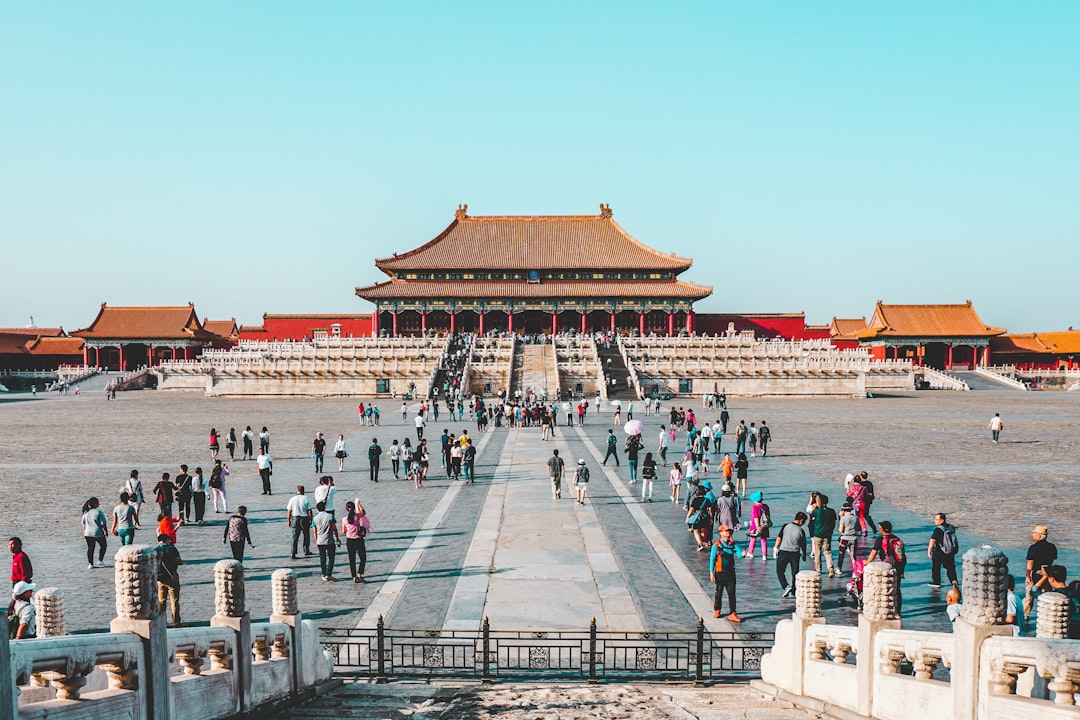
Some iconic landmarks in the Far East include the Great Wall of China, Mount Fuji in Japan, Angkor Wat in Cambodia, the Forbidden City in Beijing, and Tokyo Tower. Each country in the region has its own unique cultural and historical sites worth exploring.
Is it safe to travel in the Far East?
Generally, most countries in the Far East are safe for tourists. However, as with any travel, it's important to stay aware of your surroundings, respect local customs, and take standard precautions. Always check current travel advisories before your trip.
What languages are spoken in the Far East?
The Far East is linguistically diverse. Major languages include Mandarin Chinese, Japanese, Korean, Vietnamese, Thai, and various regional dialects. English is widely spoken in tourist areas and major cities across much of the region.
What kind of food can I expect in the Far East?
The Far East offers a rich variety of cuisines. You can expect dishes like sushi and ramen in Japan, dim sum and Peking duck in China, bibimbap and kimchi in Korea, pho in Vietnam, and pad thai in Thailand. Each country has its own unique culinary traditions and specialties.
How do I get around in Far East countries?
Transportation options vary by country, but many Far East nations have excellent public transport systems, especially in urban areas. High-speed trains, metros, buses, and taxis are common. In some countries, renting a scooter or bicycle is popular for short distances.
What are some cultural etiquette tips for visiting the Far East?
Important etiquette tips include removing shoes before entering homes or temples, using chopsticks correctly, bowing as a greeting in some countries, and respecting local customs around temples and shrines. It's also polite to learn a few basic phrases in the local language.
What vaccinations do I need for traveling to the Far East?
Recommended vaccinations can vary depending on the specific countries you're visiting and your personal health history. Common recommendations include hepatitis A, typhoid, and routine vaccines. Consult with a travel doctor or clinic for personalized advice before your trip.
What are some popular beach destinations in the Far East?
The Far East boasts beautiful beaches. Some popular destinations include Bali in Indonesia, Phuket in Thailand, Boracay in the Philippines, Hainan Island in China, and Okinawa in Japan. Each offers a unique blend of local culture and tropical paradise.