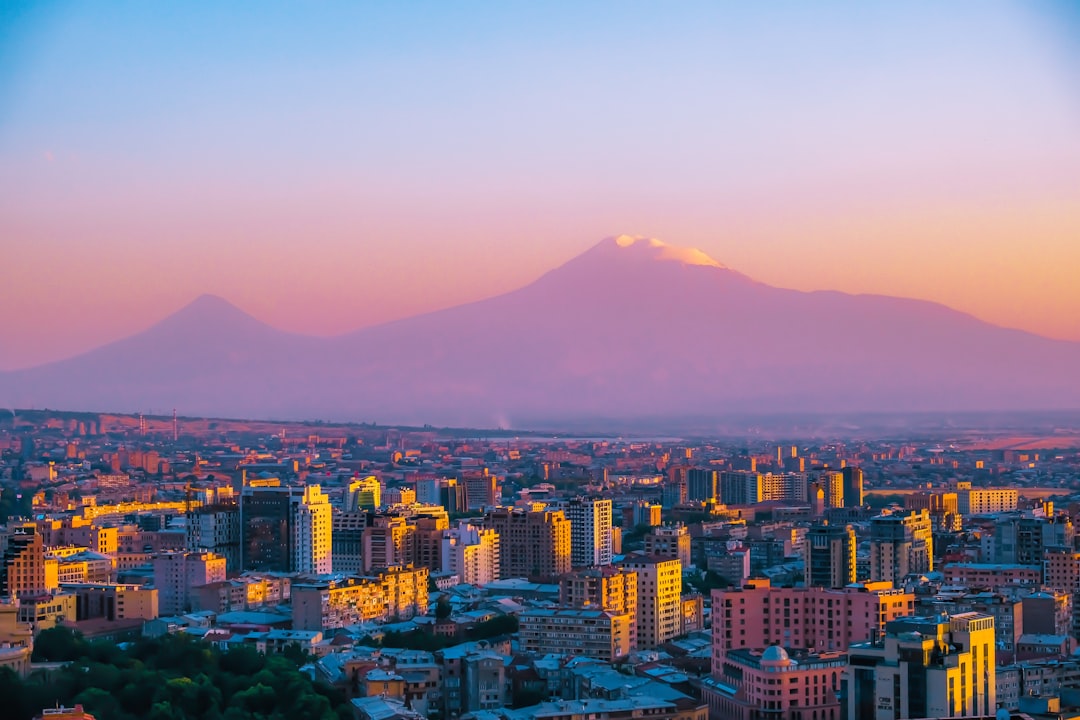
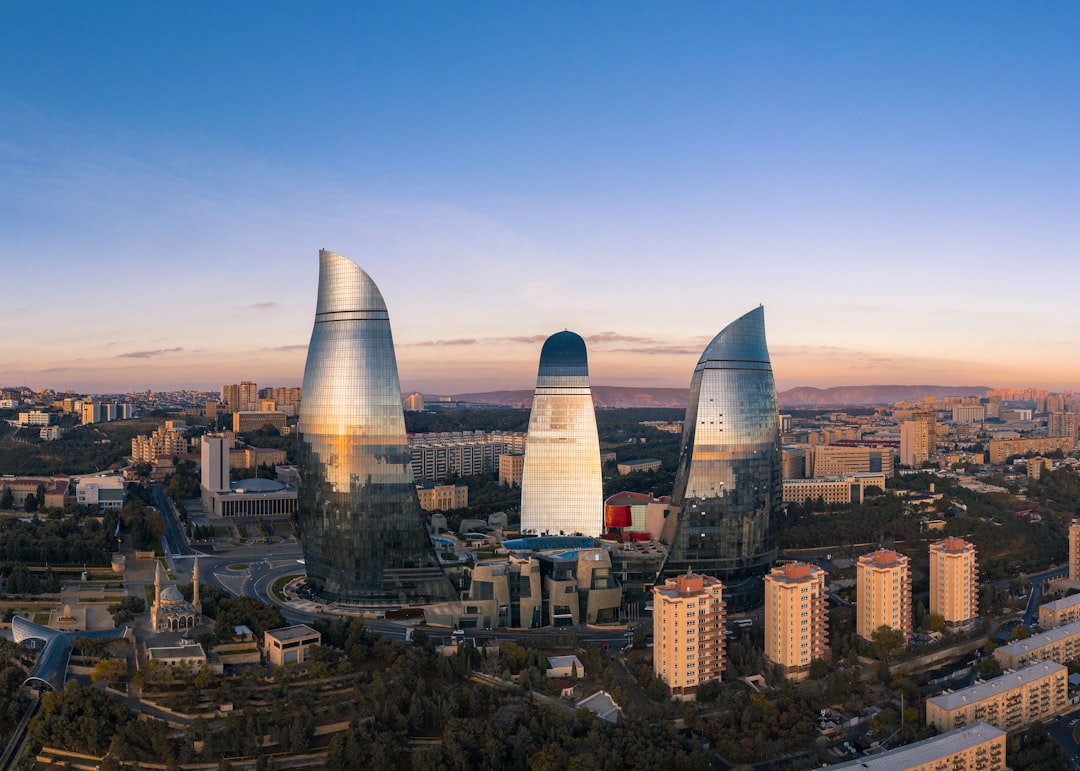
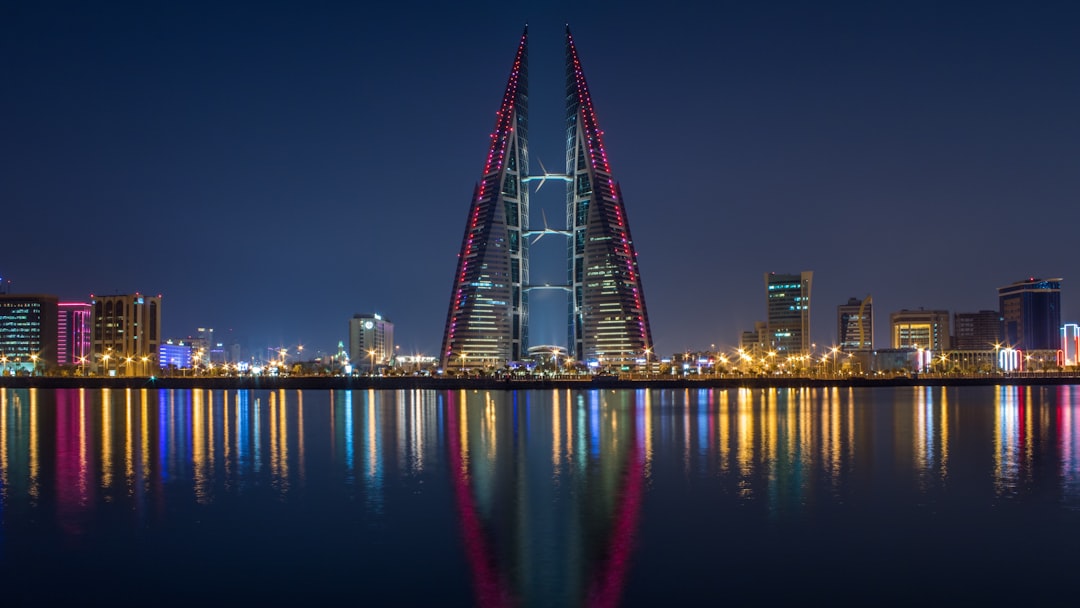
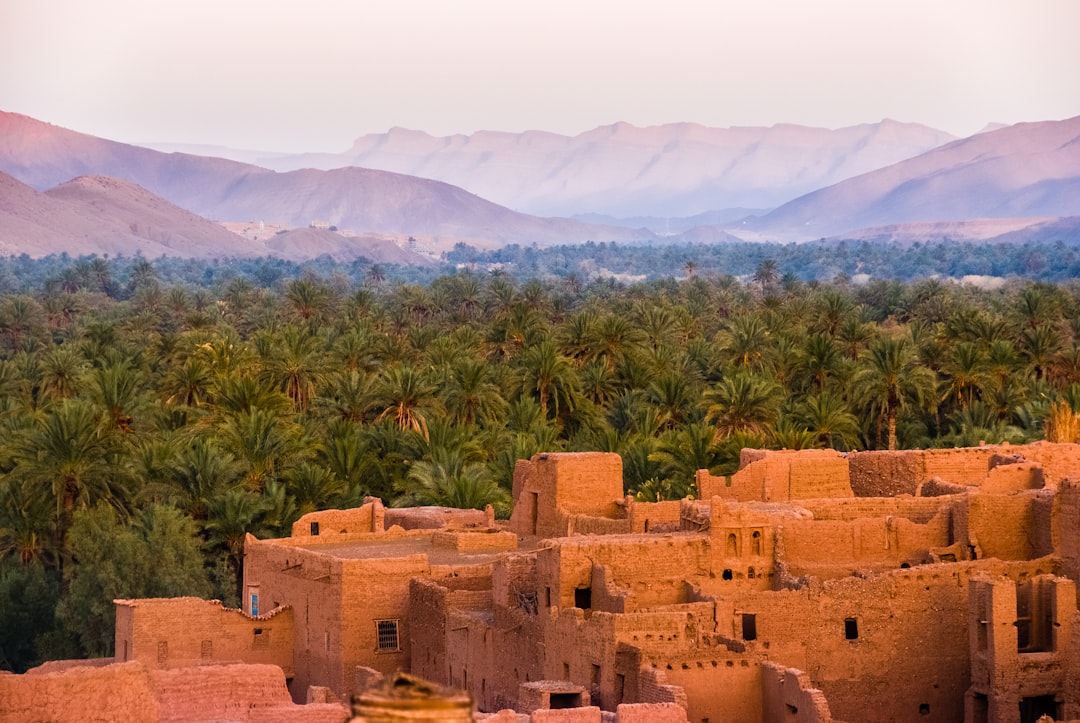
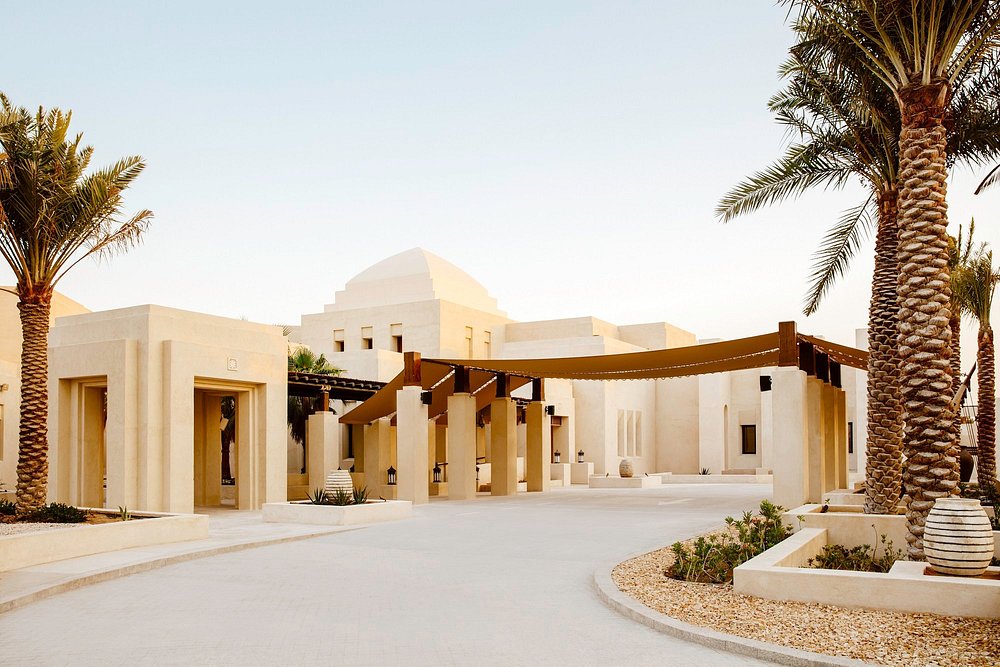
This 5-star desert oasis in Abu Dhabi offers luxurious rooms, private pools, and a world-class spa, blending Arabian charm with modern amenities for a unique retreat just 30 miles from the city center.
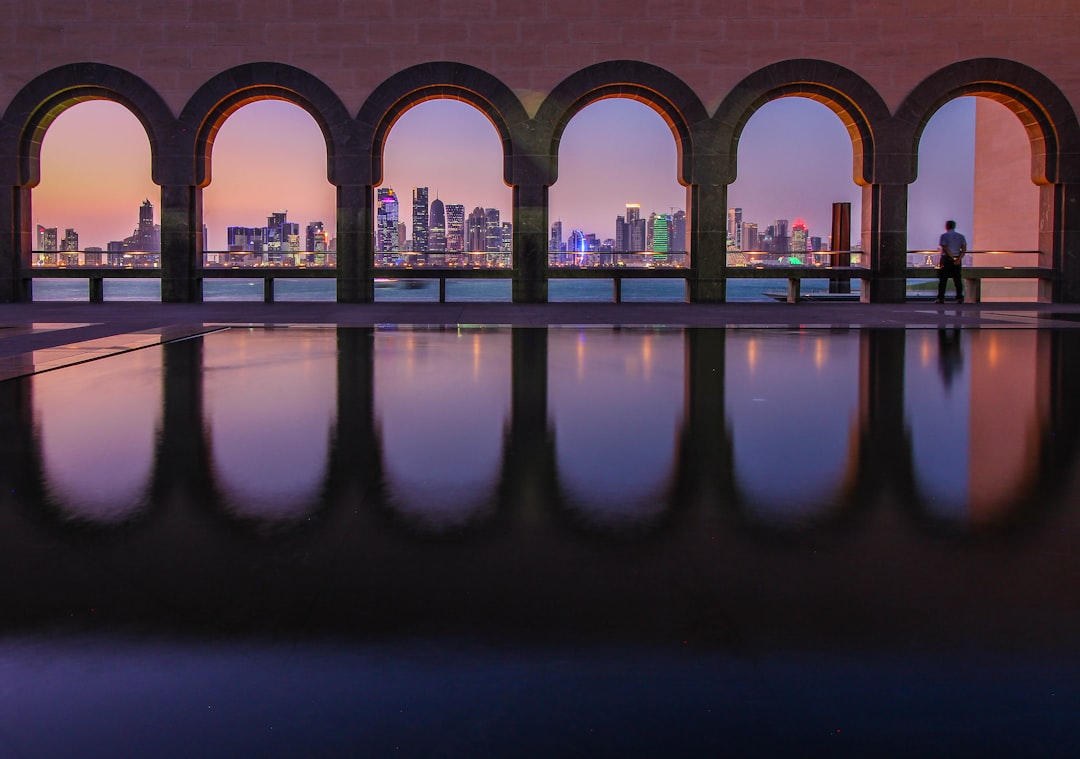
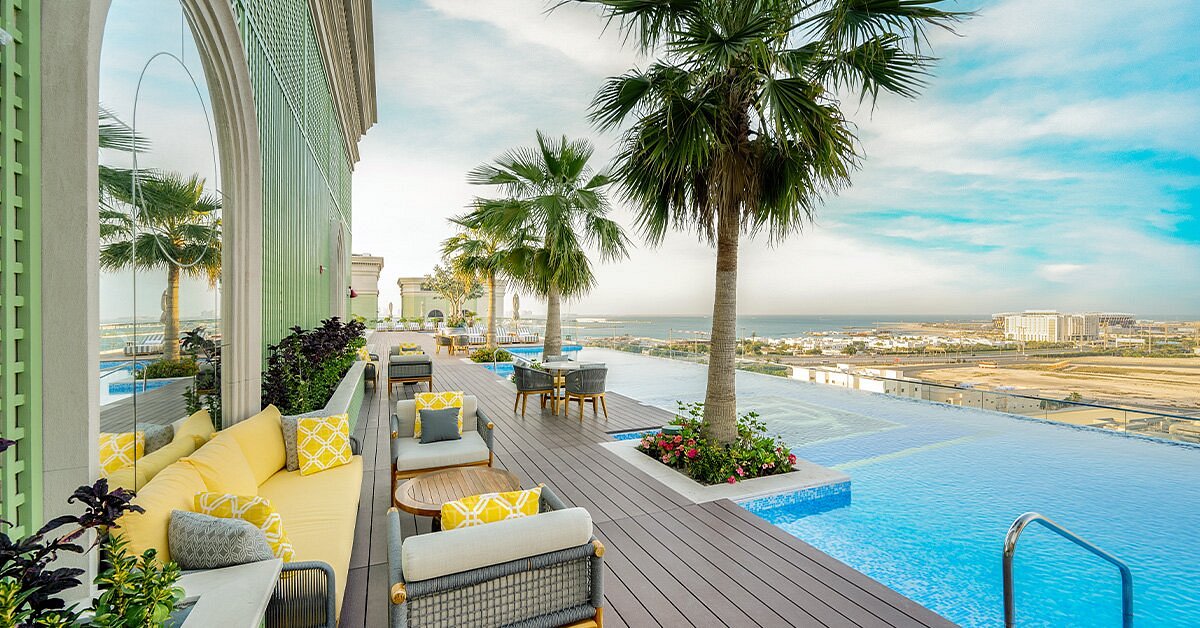
The Plaza Doha, a 5-star LXR hotel near Qatar National Museum, offers luxurious rooms, indoor and outdoor pools, and diverse dining options, all within walking distance of Doha's cultural attractions.
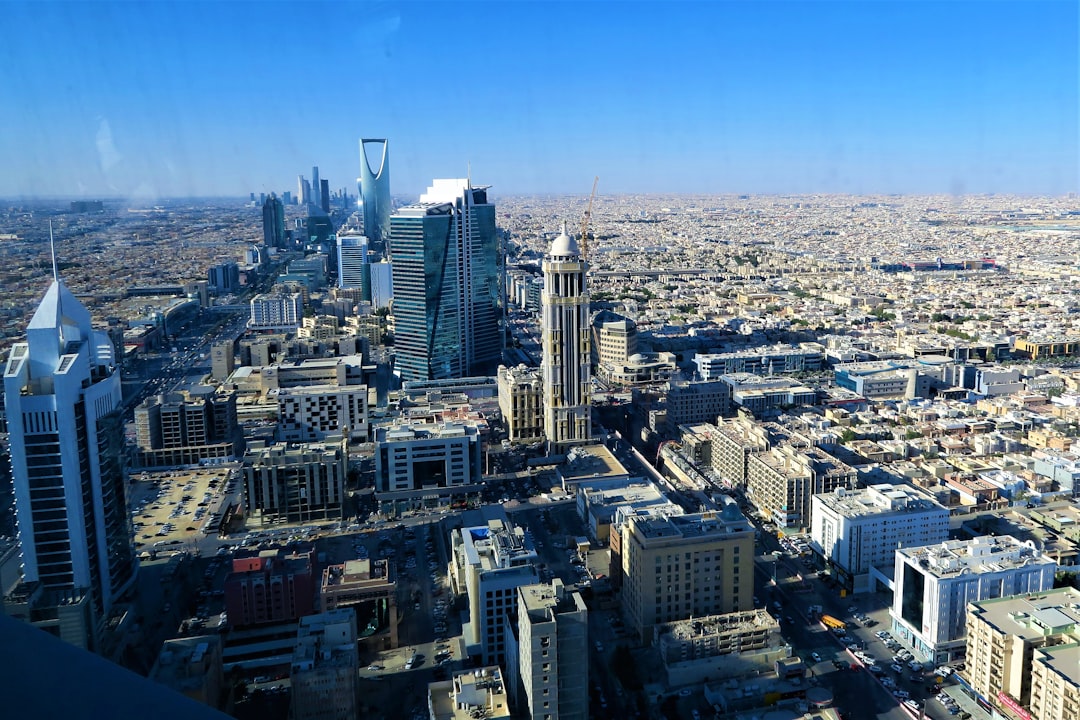
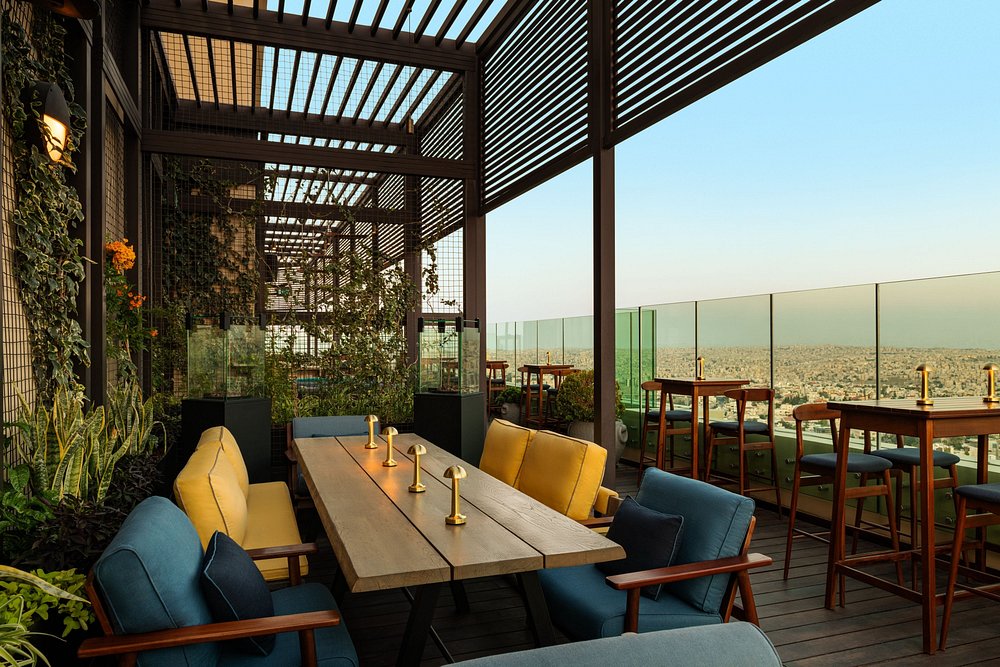
The St. Regis Amman offers 5-star luxury in Jordan's capital, featuring elegant rooms, a seasonal pool, and diverse dining options, all within walking distance of Jordan Gate Towers.
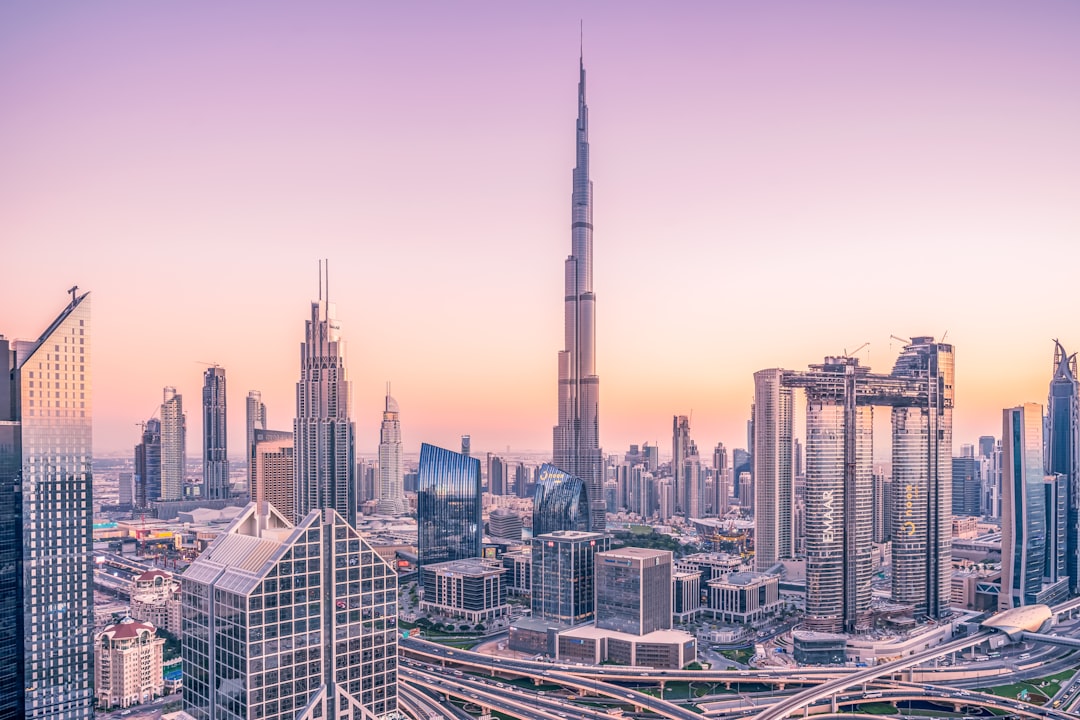
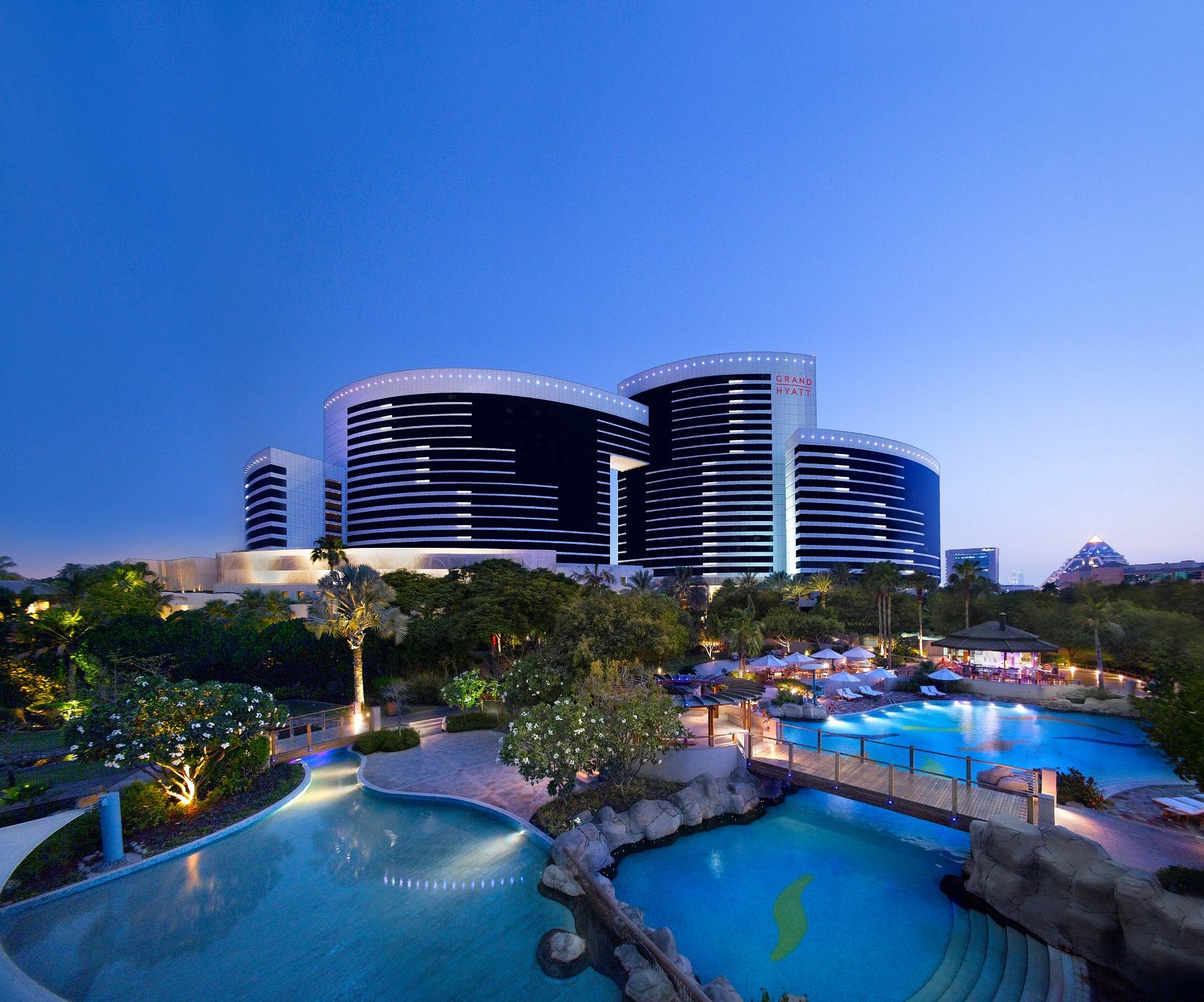
Luxurious 5-star oasis in Dubai, Grand Hyatt offers renovated rooms, 12 restaurants, family-friendly pools, and a spa, all set near Sheikh Zayed Road with easy access to city attractions.
What are the most popular tourist destinations in the Middle East?
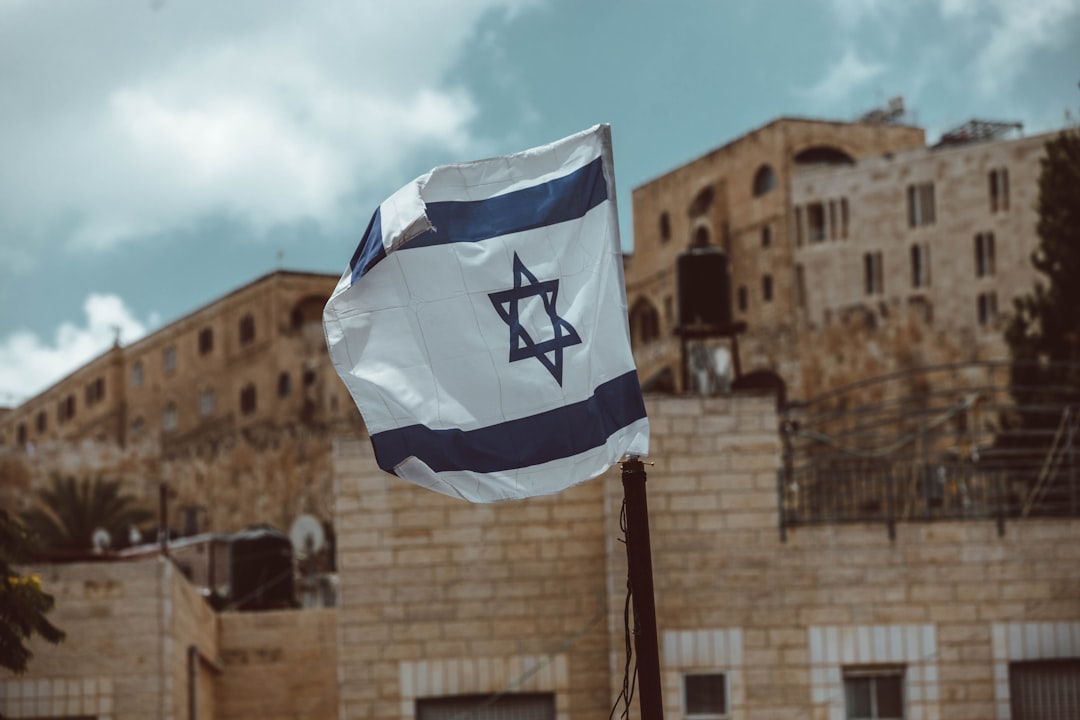
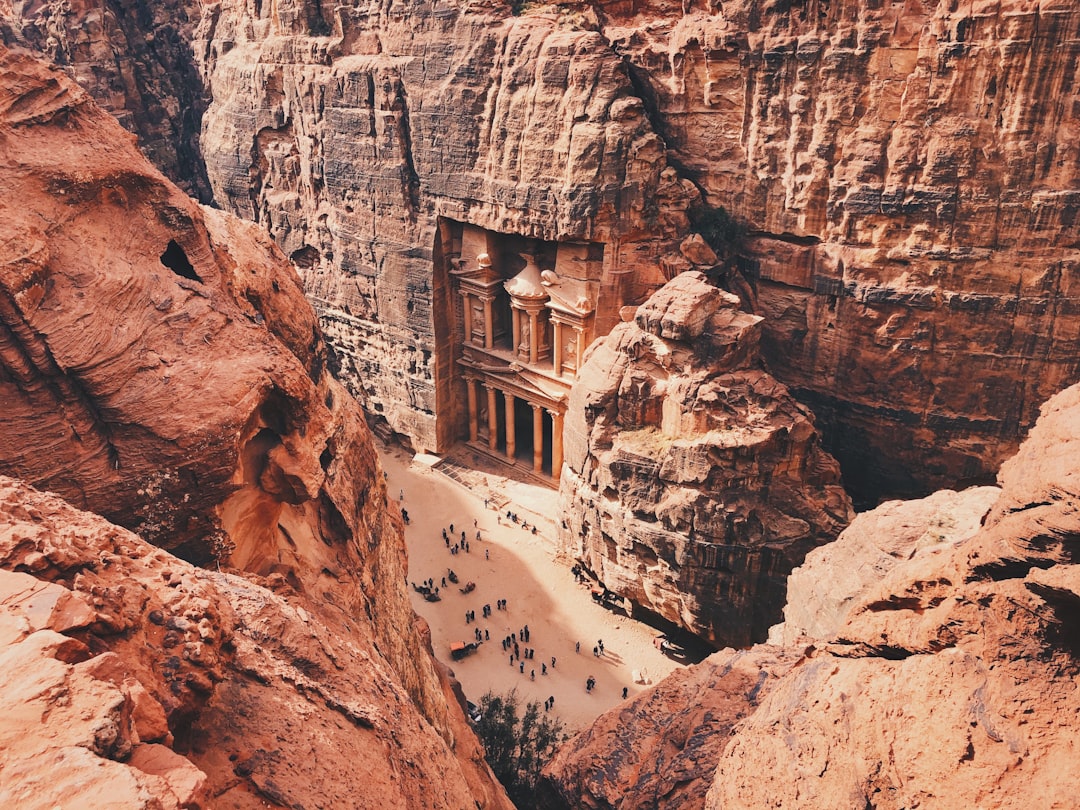
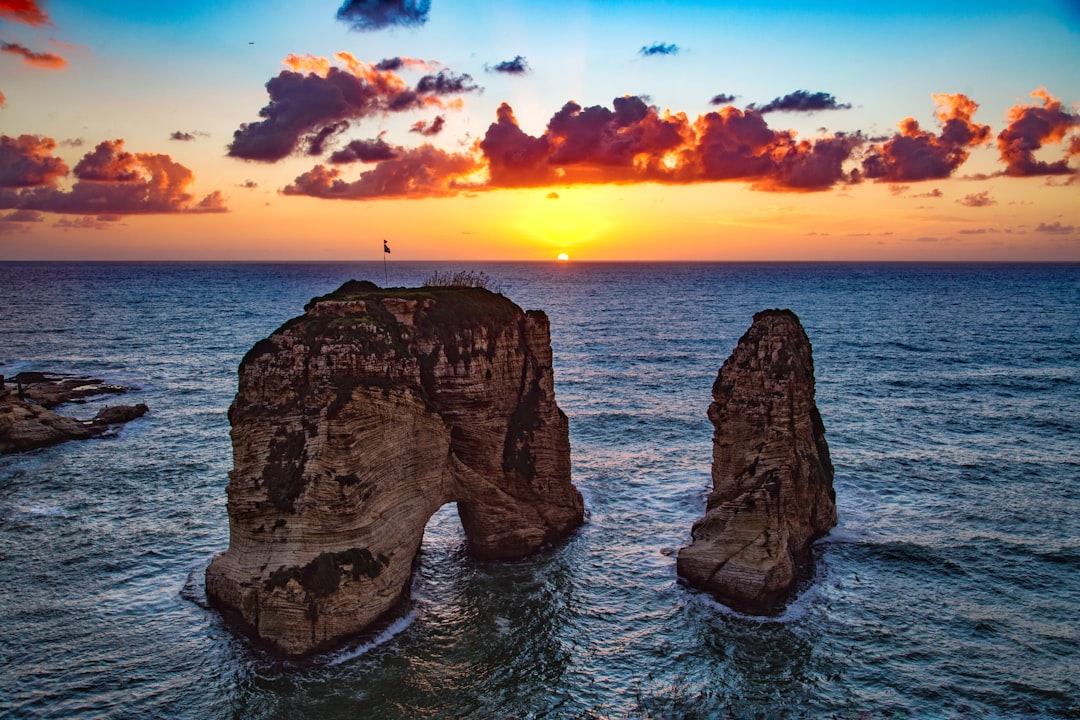
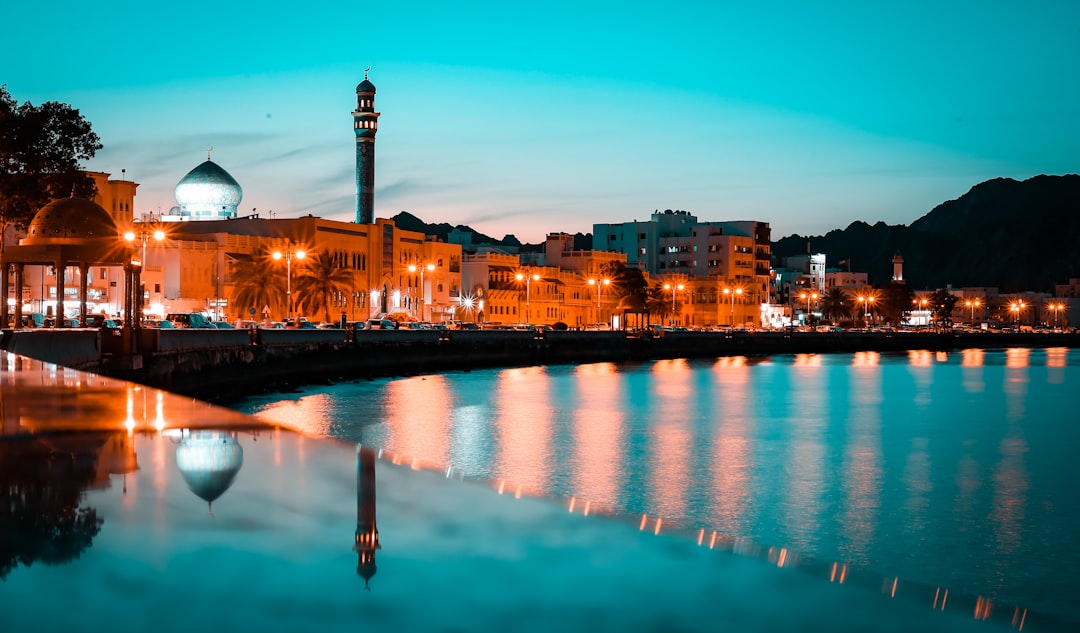
Some of the most popular tourist destinations in the Middle East include Dubai (UAE), Jerusalem (Israel/Palestine), Istanbul (Turkey), Petra (Jordan), Cairo (Egypt), and Muscat (Oman). These cities offer a mix of ancient history, modern attractions, and unique cultural experiences.
Is it safe to travel to the Middle East?
Safety in the Middle East varies by country and region. Many popular tourist destinations like the UAE, Jordan, and Oman are generally considered safe for travelers. However, it's always advisable to check current travel advisories, respect local customs, and exercise normal precautions as you would anywhere else in the world.
What is the best time of year to visit the Middle East?
The best time to visit the Middle East is generally during the cooler months from October to April. Summers can be extremely hot, especially in Gulf countries. Spring and fall offer milder temperatures ideal for sightseeing. However, specific timing can vary depending on the particular country and activities planned.
What are some must-see landmarks in the Middle East?
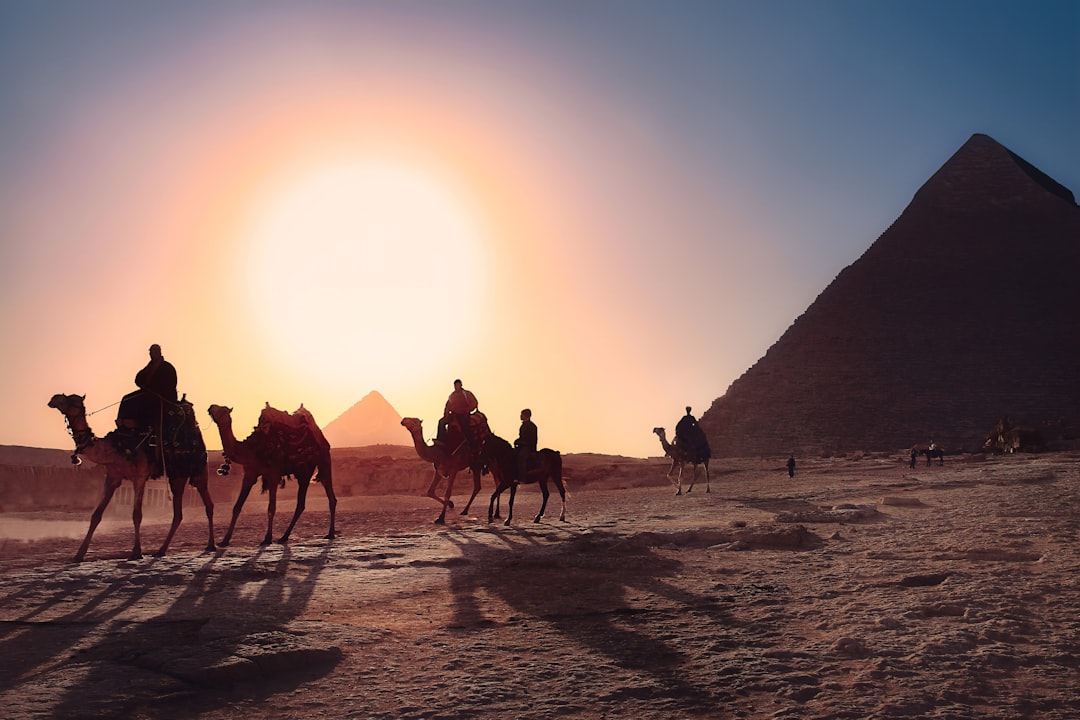
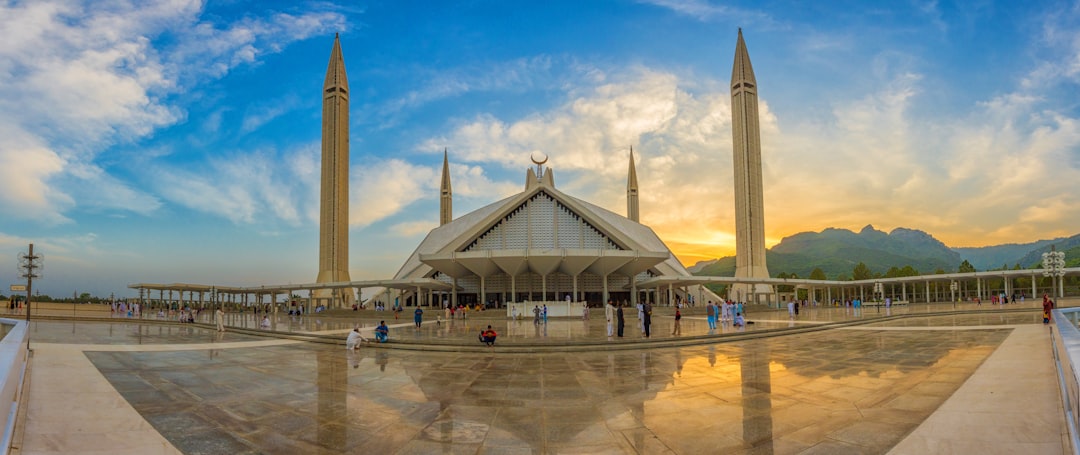
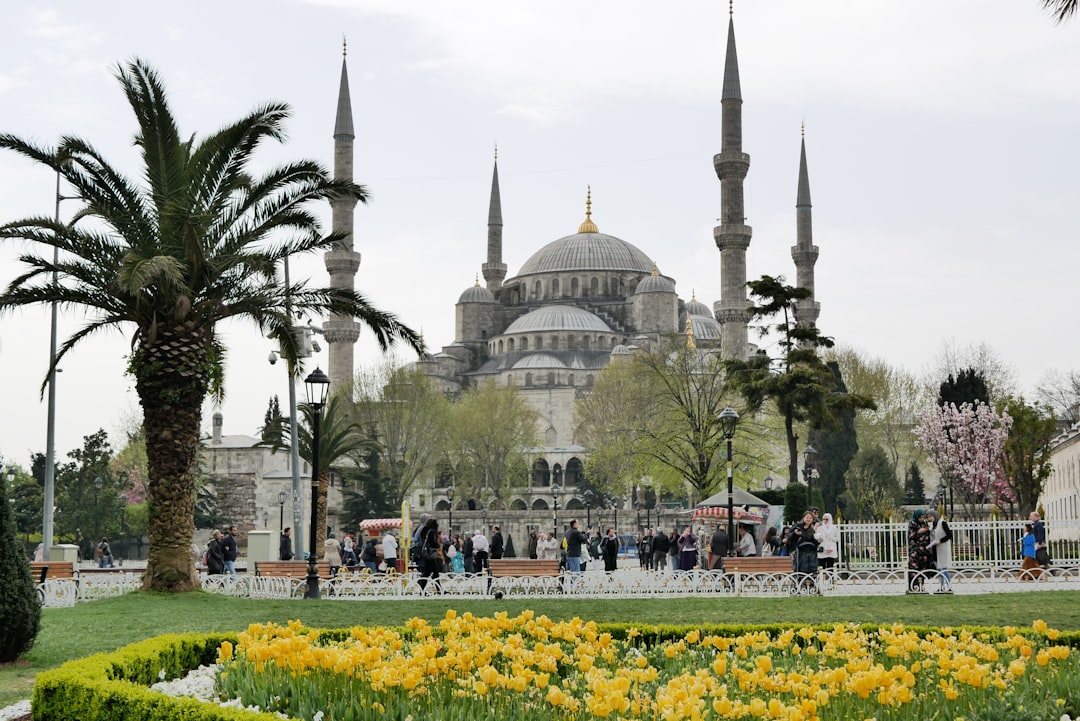
The Middle East is home to numerous iconic landmarks. Some must-see sites include the Burj Khalifa in Dubai, the Pyramids of Giza in Egypt, Petra in Jordan, the Dome of the Rock in Jerusalem, the Blue Mosque in Istanbul, and the Sheikh Zayed Mosque in Abu Dhabi.
What kind of cuisine can I expect in the Middle East?
Middle Eastern cuisine is diverse and flavorful. You can expect dishes like hummus, falafel, shawarma, kebabs, and baklava. Each country has its specialties, such as mansaf in Jordan, koshari in Egypt, or machbous in the Gulf countries. Vegetarians will find plenty of options, and tea and coffee play important cultural roles.
Do I need a visa to travel to countries in the Middle East?
Visa requirements for Middle Eastern countries vary depending on your nationality and the specific country you're visiting. Some countries like the UAE offer visa-on-arrival for many nationalities, while others require visas to be obtained in advance. It's best to check the latest requirements for your specific situation before traveling.
What should I wear when visiting the Middle East?
Dress codes in the Middle East can be conservative, especially in more traditional areas. It's generally respectful to dress modestly, covering shoulders and knees. Women might consider carrying a scarf for visiting religious sites. However, dress codes can be more relaxed in some tourist areas and modern cities. Always research the specific norms of your destination.
What are some unique experiences I can have in the Middle East?
The Middle East offers many unique experiences, such as desert safaris in the UAE, floating in the Dead Sea in Jordan or Israel, exploring ancient ruins like Petra or Palmyra, shopping in traditional souks, taking a Nile cruise in Egypt, or experiencing Bedouin hospitality. The region's rich history and diverse landscapes provide countless memorable opportunities.
How do I respect local customs when traveling in the Middle East?
To respect local customs, consider dressing modestly, being mindful of public behavior during Ramadan, asking permission before photographing people, using your right hand for eating and greeting, and learning a few basic Arabic phrases. It's also wise to research specific customs of the country you're visiting, as practices can vary across the region.
What is the currency used in Middle Eastern countries?
Currency varies by country in the Middle East. Some examples include the UAE Dirham, Egyptian Pound, Israeli Shekel, Jordanian Dinar, and Turkish Lira. Many tourist areas accept major international credit cards, but it's always good to have some local currency for small purchases and tips. Currency exchange is widely available in most tourist destinations.